
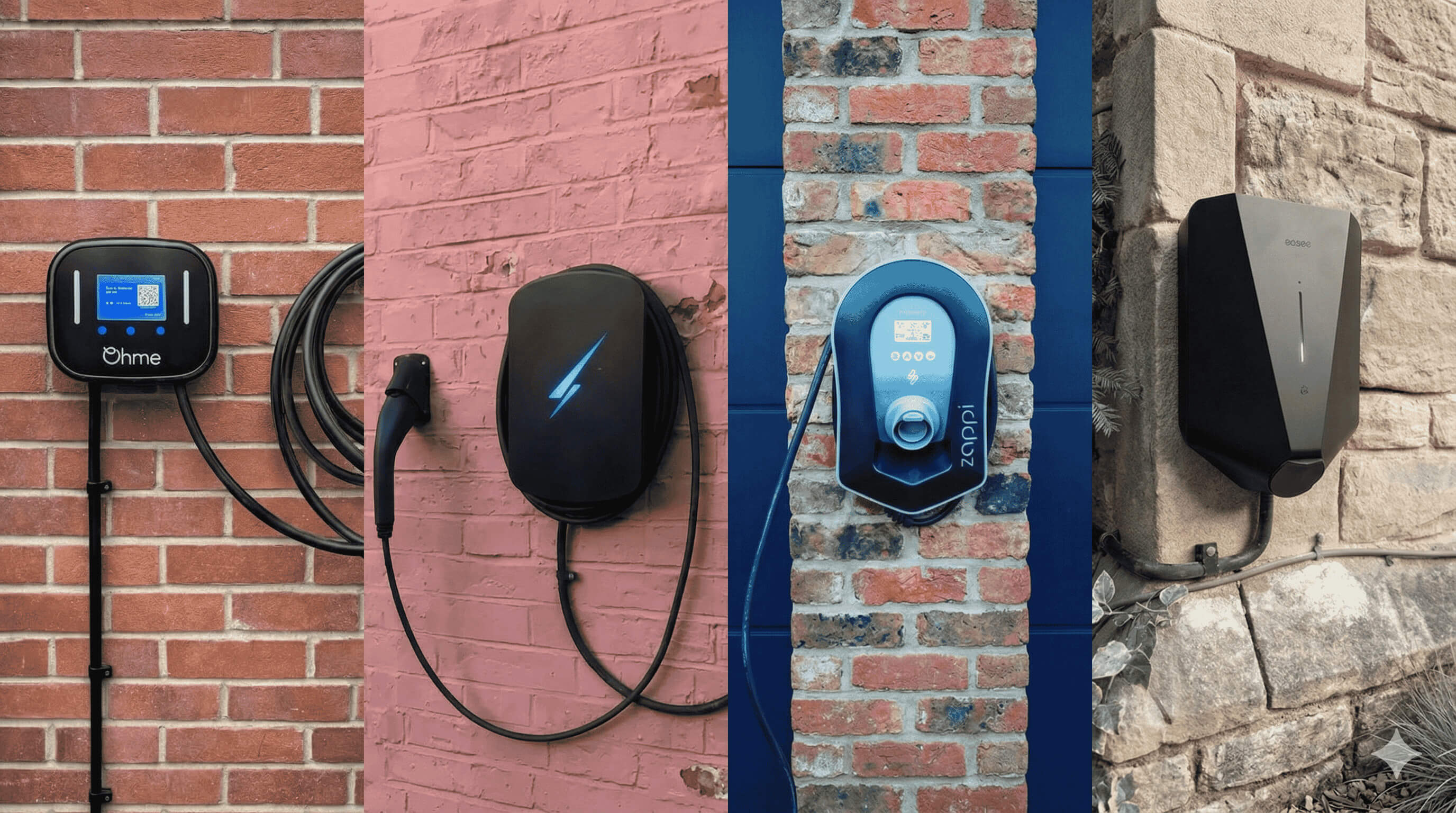
Choosing a home EV charger is more complicated than it used to be. In 2026, UK homeowners have more choice than ever, and the right charger for your home depends on how you use your car, whether you have solar panels, how many EVs you’re charging, and which energy tariff you’re on.
We install all four of the most popular smart home chargers across Watford, St Albans, and Hertfordshire: Zappi by myenergi, the Easee One, the Ohme Home Pro, and the Hypervolt Home 3.0. In this guide, we’ll give you an honest comparison based on real installation experience, not manufacturer marketing.
If you already know which charger you want, head straight to our individual brand guides. If you’re still deciding, read on.
Jump straight to a charger: Zappi | Easee One | Ohme Home Pro | Hypervolt Home 3.0
Quick Comparison: Zappi vs Easee vs Ohme vs Hypervolt
The table below gives you a side-by-side snapshot of the key specs and features. We’ll dig into the detail in each section that follows.
| Feature / Spec | Zappi (myenergi) | Easee One | Ohme Home Pro | Hypervolt 3.0 |
| Power output | 7.4kW | 7.4kW (22kW 3-phase) | 7.4kW | 7.4kW |
| Smart scheduling | ✓ | ✓ | ✓ | ✓ |
| Solar diversion | ✓✓ (best) | Limited | Basic | ✓ Good |
| Dynamic load balancing | ✓ | ✓✓ (best) | ✗ | ✓ |
| Multi-EV capability | Single | ✓✓ (multi-unit) | Single | Single |
| Tariff API integration | Basic | Good | ✓✓ (best) | Good |
| Intelligent Octopus | Scheduled only | Scheduled only | ✓✓ Full API | Scheduled only |
| Tethered option | ✓ | ✓ | Tethered only | ✓ |
| IP rating | IP65 | IP54 | IP55 | IP55 |
| Warranty | 3 years | 3 years | 3 years | 5 years |
| British-made | ✓ (myenergi) | ✗ Norwegian | ✓ | ✓✓ |
| App quality | Very good | Very good | Excellent | Good |
| Typical unit price | £800–£1,100 | £650–£850 | £700–£900 | £650–£850 |
| Typical installed cost | £1,100–£1,600 | £900–£1,400 | £850–£1,300 | £900–£1,350 |
| Grant eligible | ✓ | ✓ | ✓ | ✓ |
One thing to note: all four chargers are smart chargers, all qualify for the current government EV chargepoint grant scheme, and all deliver 7.4kW, the standard domestic charging speed that adds around 30 miles of range per hour for most EVs. The differences lie in how smart they are, and what they’re smart at.
Zappi (myenergi): The Solar Champion
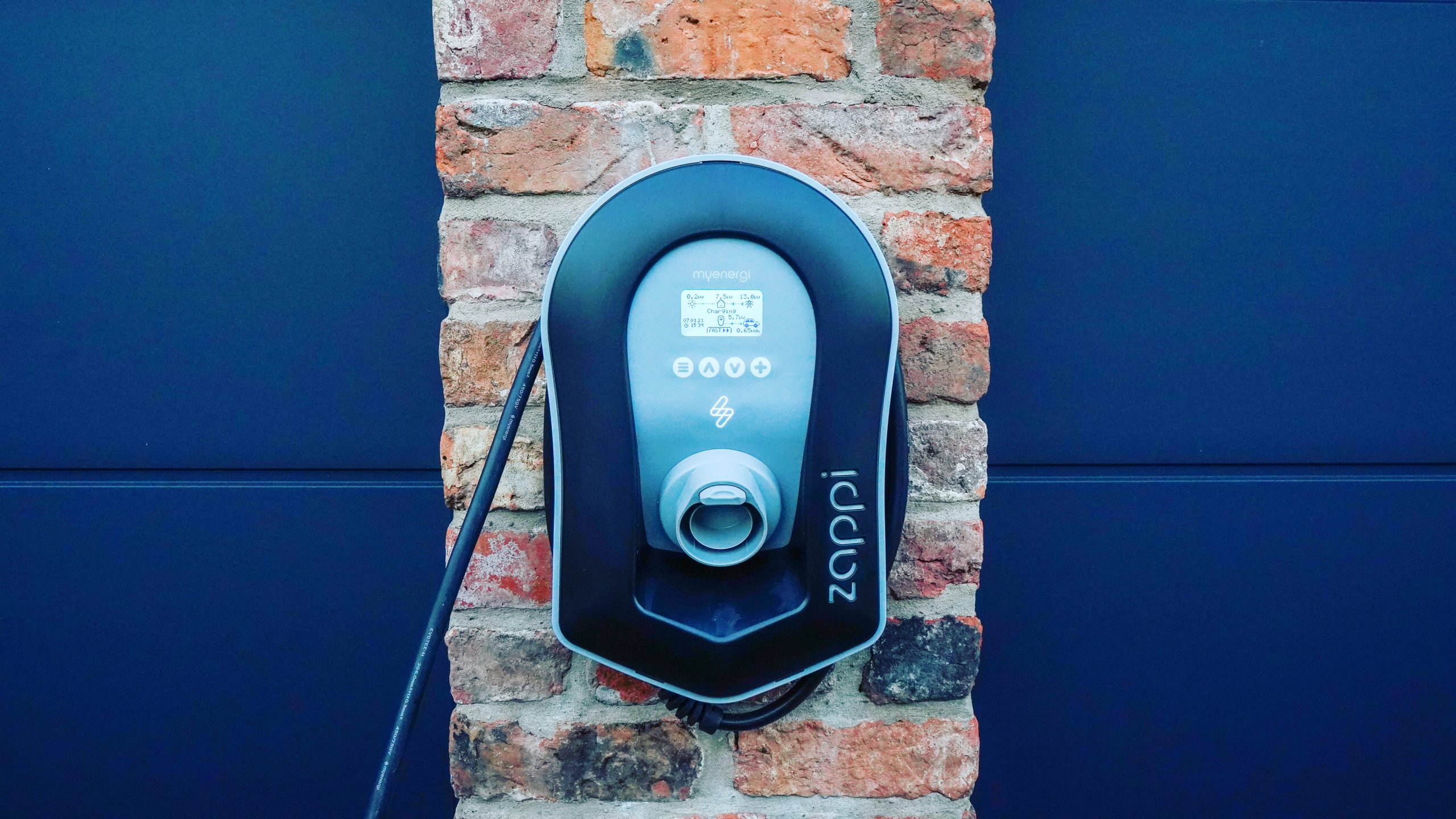
Zappi is the clear winner for solar homes. Typical installed cost from £1,100.
If you have solar panels, or you’re planning to install them, the Zappi is the standout choice in this comparison. No other home charger matches its solar diversion capability.
Zappi’s eco-modes are what set it apart. In eco+ mode, the charger waits for surplus solar generation before starting a charging session, meaning your car charges primarily for free during daylight hours. In eco mode, it tops up any shortfall from the grid to maintain a minimum charge rate. In fast mode, it charges at full speed regardless of solar generation, just like any other charger.
This real-time solar diversion uses a CT clamp installed at your consumer unit to monitor generation and household consumption simultaneously. The system then diverts surplus power to your EV as it becomes available, down to the minute. It’s the most sophisticated solar integration available in a domestic charger.
Who Should Choose Zappi?
- Solar panel owners wanting to maximise free charging
- Homeowners planning to add solar panels in the future
- myenergi ecosystem users (Eddi, Libbi, Zappi integrate together)
- Eco-conscious homeowners who want granular energy monitoring
- Those who want a British-made product (myenergi is based in Lincolnshire)
Where Zappi Falls Short
- Load balancing is functional but not as sophisticated as Easee for multi-EV households
- No deep tariff API integration: scheduling is manual, not automated like Ohme
- Unit price sits at the higher end of the four chargers reviewed here
For a full breakdown of Zappi specs, installation requirements, and real-world costs in Hertfordshire, see our complete Zappi EV charger guide.
Easee One: The Multi-EV Master

Easee is the pick for two-EV households and a tight electrical supply. Typical installed cost from £900.
The Easee One from Norwegian manufacturer Easee has built a loyal following in the UK for one primary reason: its dynamic load balancing is genuinely class-leading. If your household has two EVs, or if your property has a limited electrical supply, Easee deserves serious consideration.
Dynamic load balancing means the charger continuously monitors your total household electricity consumption via a CT clamp at the consumer unit, then automatically adjusts the charging power to ensure the combined load never exceeds your main fuse capacity. Run the oven, kettle, and shower simultaneously? Easee dials down EV charging to compensate. Middle of the night with nothing else running? The car charges at full 7.4kW.
Where Easee really shines is the multi-charger configuration. Install two Easee units, one for each car, and they communicate with each other to share the available electrical capacity automatically. No manual configuration, no risk of tripping the main fuse. We’ve set this up for several Hertfordshire households and it works seamlessly.
Who Should Choose Easee?
- Households with two or more EVs to charge simultaneously
- Properties with a 60A or 80A main fuse and limited electrical headroom
- Homeowners who want a compact, discreet charger profile
- Those prioritising future-proofing: the modular design allows component replacement
- Anyone likely to add a second EV in future (second Easee can be added easily)
Where Easee Falls Short
- Solar integration is limited: it doesn’t offer real-time solar diversion like Zappi
- No deep tariff API: scheduling is manual, not automated like Ohme
- Norwegian-manufactured, though widely supported in the UK
For the full Easee specification, installation process, and Hertfordshire pricing, see our complete Easee EV charger guide.
Ohme Home Pro: The Tariff Optimiser
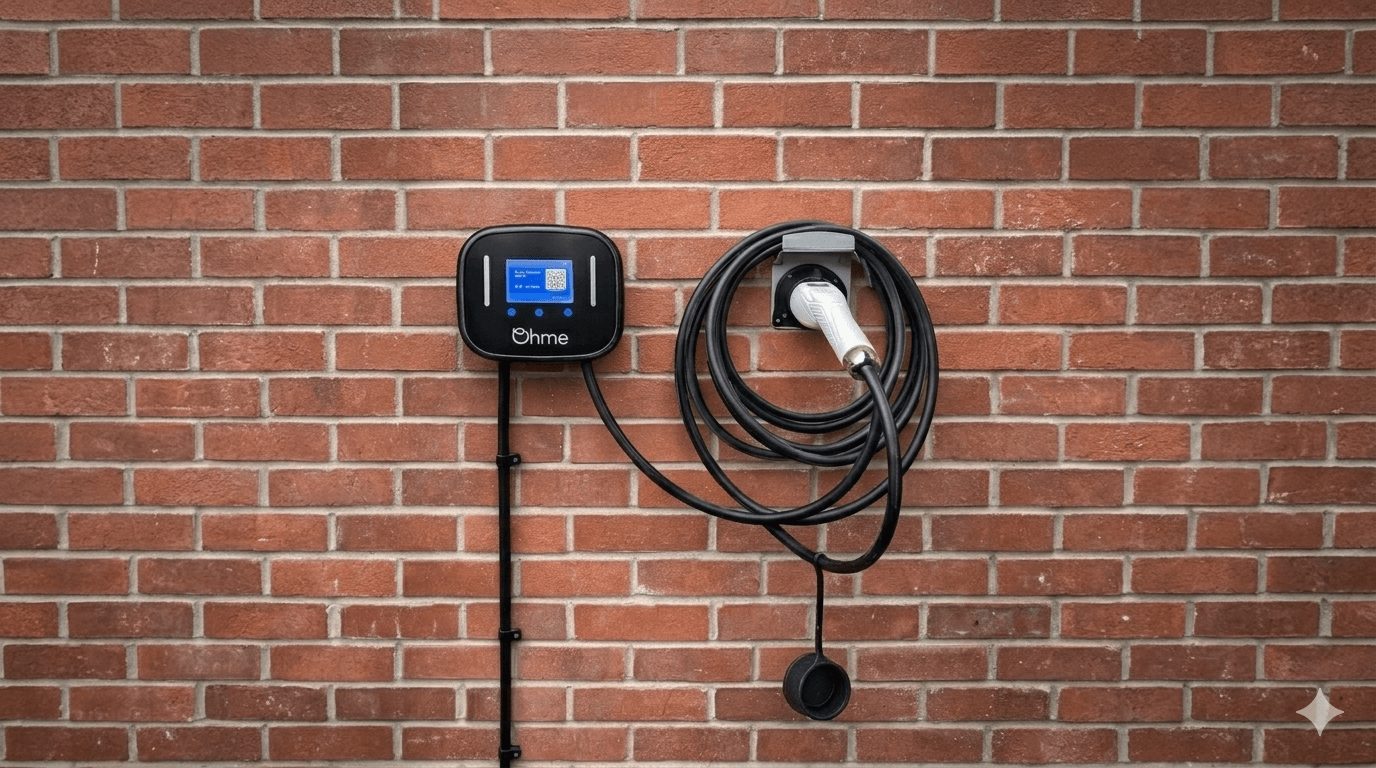
Ohme is the pick for Intelligent Octopus users chasing the cheapest overnight rate. Typical installed cost from £850.
If your primary goal is the lowest possible cost per charge, and you’re on (or willing to switch to) a smart energy tariff, the Ohme Home Pro stands apart from the competition.
Ohme’s defining feature is its API integration with energy providers, particularly Octopus Energy’s Intelligent Octopus tariff. Rather than simply scheduling charging for off-peak hours (which any smart charger can do), Ohme receives real-time dispatch signals from Octopus and charges your car when the grid has surplus electricity, often below 10p per kWh, and sometimes under 7p. For a typical EV covering 10,000 miles per year, the annual savings compared to charging at standard rate are significant.
The Ohme app also provides the best cost-tracking of the four chargers: you can see exactly what each session cost, what rate you charged at, and your cumulative savings. If you’re data-driven about your energy costs, Ohme gives you the numbers to work with.
Who Should Choose Ohme?
- Intelligent Octopus users: this is the single best charger for that tariff
- OVO Charge Anytime, EDF GoElectric, and British Gas Electric Driver customers
- Cost-focused EV drivers who want the lowest cost per mile
- Set-and-forget users who want the charger to handle all scheduling automatically
- Single-EV households without solar panels
Where Ohme Falls Short
- Tethered only: no socket/untethered version of the Home Pro
- Solar integration is basic scheduling only, not real-time diversion like Zappi
- No dynamic load balancing: less suitable for properties with limited electrical supply
- Loses most of its value advantage if you’re not on a compatible smart tariff
For a full breakdown including the Intelligent Octopus integration, costs, and real installation examples, see our complete Ohme EV charger guide.
Hypervolt Home 3.0: The British All-Rounder
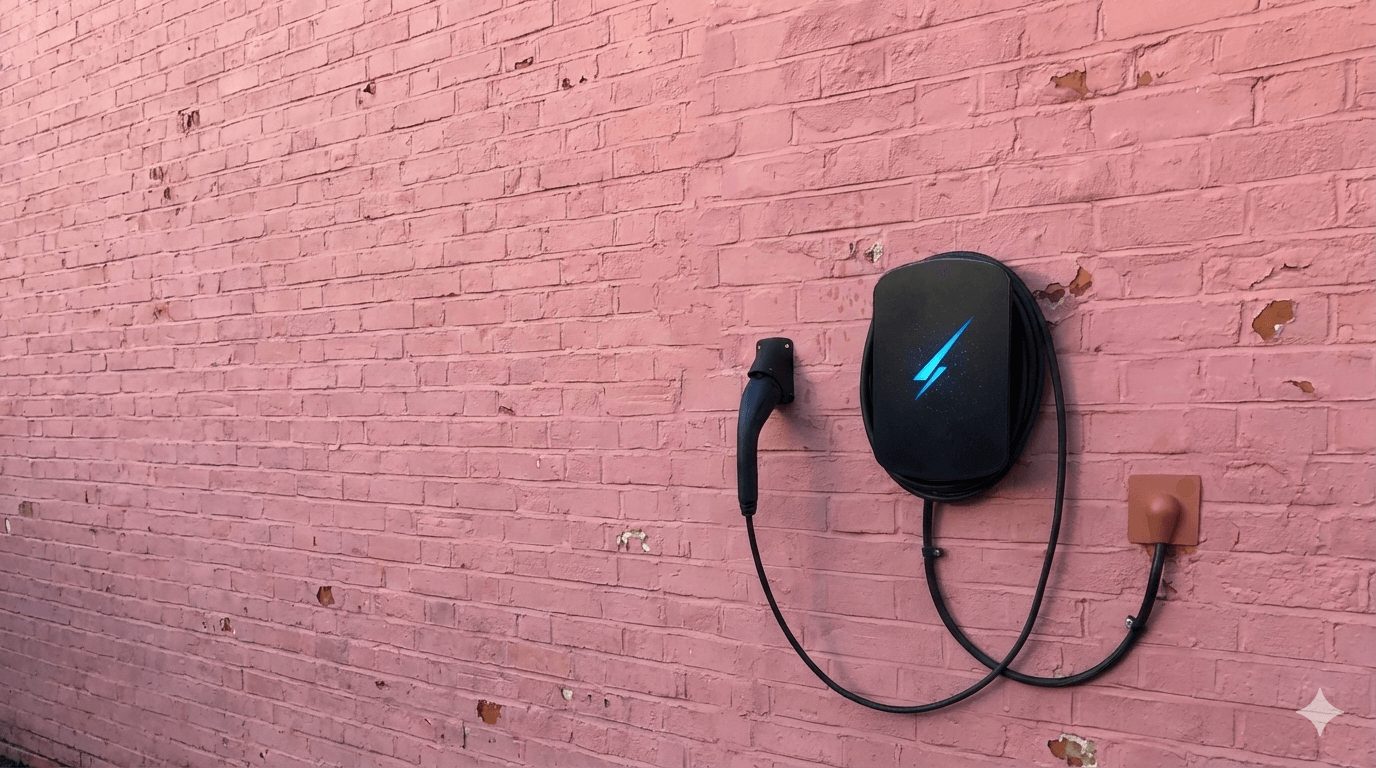
Hypervolt is the British-made all-rounder with the longest warranty. Typical installed cost from £900.
The Hypervolt Home 3.0 is perhaps the least well-known of the four chargers in this comparison, but it deserves a place at the table. It’s British-designed and manufactured, combines genuine solar integration with dynamic load balancing, and comes with a 5-year warranty, longer than any of its competitors.
In terms of capability, Hypervolt sits between Zappi and Easee: it has better solar integration than Easee, better load balancing than Zappi, and a more competitive price point than either. It doesn’t quite match Zappi’s eco-mode sophistication for solar diversion, nor Easee’s multi-unit capability, but for a single-EV household that wants both features without paying for dedicated specialists at either end, Hypervolt is a genuinely smart choice.
We’ve found the Hypervolt app to be reliable and well-designed, and the extended warranty gives genuine peace of mind over a typical 3-year cover. For homeowners who prefer to support British manufacturing, it’s worth noting that Hypervolt is one of a very small number of chargers designed and made entirely in the UK.
Who Should Choose Hypervolt?
- Solar panel owners who want a British-made alternative to Zappi
- Homeowners with limited electrical supply who want solar integration too
- Those who value a longer warranty (5 years vs 3 years for the others)
- Budget-conscious buyers who want capable smart features at a competitive price
- Those who prefer British manufacturing
Where Hypervolt Falls Short
- Solar diversion is functional but less refined than Zappi’s dedicated eco-modes
- No multi-unit load equalisation for dual-EV households like Easee
- Tariff API integration is limited: no Intelligent Octopus dispatch like Ohme
For the full Hypervolt specification, installation process, and what to expect in Hertfordshire, see our complete Hypervolt EV charger guide.
Which EV Charger Is Right for Your Home? A Scenario Guide
Rather than picking an outright winner (there isn’t one), here’s our honest recommendation by situation. These are the conversations we have on-site every day.
| My Situation | Our Recommendation |
| I have solar panels | Zappi (myenergi) |
| I have two EVs to charge | Easee One (dual setup) |
| I’m on Intelligent Octopus | Ohme Home Pro |
| I want the cheapest overnight charging | Ohme Home Pro |
| My electrical supply is limited (60A) | Easee One (load balancing) |
| I want British-made | Zappi or Hypervolt Home 3.0 |
| I want the longest warranty | Hypervolt Home 3.0 (5 years) |
| I’m planning to add solar later | Zappi or Hypervolt Home 3.0 |
| I want a compact, discreet charger | Easee One |
| I want maximum app/smart features | Ohme Home Pro or Zappi |
The one scenario where we’d push back on a preference: if someone is strongly drawn to Ohme but has solar panels, we’ll always have a conversation about Zappi first. The tariff savings Ohme offers are real, but free solar electricity beats cheap grid electricity every time, and Ohme’s basic solar scheduling doesn’t come close to Zappi’s real-time diversion.
Know Which Charger You Need?
Call us on 07736 736233 or fill in our EV charger quote form for a free, no-obligation assessment. We install all four chargers across Watford and Hertfordshire and will handle everything from the site assessment and grant application through to installation and certification.
What About Cost? How the Four Chargers Compare on Price
All four chargers fall within a similar installed price range: the differences are modest enough that cost alone shouldn’t be the deciding factor. What matters more is choosing the right charger for your situation and not paying for features you won’t use.
As a guide for Hertfordshire homeowners, typical all-in installed costs (charger unit + installation labour + materials + certification) are:
- Zappi: £1,100–£1,600
- Easee One: £900–£1,400
- Ohme Home Pro: £850–£1,300
- Hypervolt Home 3.0: £900–£1,350
These ranges exist because several installation-specific factors affect the final cost: the distance from your consumer unit to your parking position, whether your consumer unit needs upgrading to accommodate a dedicated EV circuit, your earthing arrangement (PME supplies sometimes require an earth electrode), and whether any groundwork is needed for a post-mounted charger.
All four chargers qualify for the government EV chargepoint grant, which can reduce the upfront cost. We handle grant applications on your behalf as part of the installation process.
We’ll be publishing a detailed EV charger installation cost guide for Hertfordshire shortly, with a full breakdown of what affects your quote. In the meantime, the best way to get an accurate figure is to get in touch for a free, no-obligation site assessment.
A Note on Installation: Why It Matters Which Installer You Choose
All four chargers in this comparison are smart chargers with CT clamps, Wi-Fi connectivity, and dedicated circuits, and installing them correctly requires more than just mounting a box on a wall. The earthing assessment, consumer unit capacity check, PME supply evaluation, and CT clamp configuration all need to be done properly to ensure safe, reliable operation.
As NAPIT-approved domestic electricians, we’re authorised installers for all four chargers, and we work exclusively with domestic properties across Watford and Hertfordshire. Every installation is completed to BS 7671 18th Edition and Part P Building Regulations, with full certification and a workmanship guarantee.
If you’re unsure which charger suits your home, we’re happy to advise during a free site assessment: we’ve installed all four and we’ll tell you honestly which one makes the most sense for your property, your car, and your energy setup. We have no affiliation with any manufacturer, which means our recommendations are based entirely on what’s right for you.
Not Sure Which Charger Is Right for Your Home?
Call us on 07736 736233 or fill in our EV charger quote form and tell us a bit about your property and energy setup. We install all four chargers across Watford and Hertfordshire and will give you an honest recommendation based on your home — not a sales pitch.
Summary: Best for Each Situation at a Glance
| Charger | Best For | Why |
| Zappi (myenergi) | Solar panel owners, eco-mode enthusiasts, myenergi ecosystem users | If you generate your own electricity, there is no better charger on the market for maximising free solar charging. |
| Easee One | Households with two EVs, limited electrical capacity, compact spaces | Dynamic load balancing and multi-unit capability make it unbeatable for complex household charging scenarios. |
| Ohme Home Pro | Intelligent Octopus users, cost-focused single-EV households | Deepest smart tariff integration available: Octopus users regularly charge below 10p per kWh overnight. |
| Hypervolt 3.0 | Solar owners who want a British-made alternative to Zappi | Solid solar integration, load balancing, and a 5-year warranty at a competitive price point. |
Frequently Asked Questions
Is there one EV charger that’s best for everyone?
No – and anyone who tells you otherwise is either selling you something or oversimplifying. The right charger depends on whether you have solar panels, how many EVs you’re charging, what energy tariff you’re on, and your property’s electrical setup. The four chargers reviewed here each lead their respective categories, and choosing the right one can make a meaningful difference to your charging costs and convenience over years of use.
Which charger is best if I have solar panels?
Zappi by myenergi is the clear leader for solar panel owners. Its eco-modes allow real-time diversion of surplus solar generation directly into your EV battery, effectively free charging during daylight hours. Hypervolt Home 3.0 is a good British-made alternative with solid solar integration. Ohme and Easee offer only basic solar scheduling by comparison.
Which charger is best for two EVs?
Easee One is the best choice for dual-EV households. You can install two units that communicate with each other and automatically share the available electrical capacity: no manual configuration needed. No other charger in this comparison offers equivalent multi-unit load equalisation.
Which charger saves the most money on electricity?
Ohme Home Pro, particularly when paired with Intelligent Octopus. The tariff API integration allows Ohme to receive real-time dispatch signals from Octopus Energy and charge your car when electricity is cheapest, often under 10p per kWh. Over a year, this can represent a substantial saving compared to charging at standard tariff rates.
Do I need to upgrade my consumer unit to install any of these chargers?
Not necessarily. All four chargers require a dedicated 32A circuit from your consumer unit, but whether your existing consumer unit can accommodate this without an upgrade depends on its age, condition, available spare ways, and overall load. We assess this as part of our free site survey. Easee’s load balancing can sometimes allow installation without an upgrade in cases where the existing supply is tight.
Can I get a grant for any of these chargers?
Yes – all four chargers qualify for the government EV chargepoint grant scheme. All meet the smart charger criteria (scheduled charging, demand-side response capability). We handle the grant application as part of your installation. Grant availability and amounts can change, so we’ll confirm the current situation when you get in touch.
Ready to Get Your Free EV Charger Installation Quote?
Call us on 07736 736233 or fill in our EV charger quote form for a free, no-obligation assessment. We cover Watford, St Albans, Hemel Hempstead, Bushey, Rickmansworth, and throughout Hertfordshire. We will advise honestly on the right charger for your home, handle the grant application if you are eligible, and take care of everything from installation through to final certification.