If you have solar panels, or you are planning to install them, pairing them with an EV charger is one of the most effective ways to cut your running costs. Charging directly from your own generation rather than the grid can mean a meaningful chunk of your annual mileage costs nothing at all. Here is how it actually works, and which chargers do it best.
The opportunity
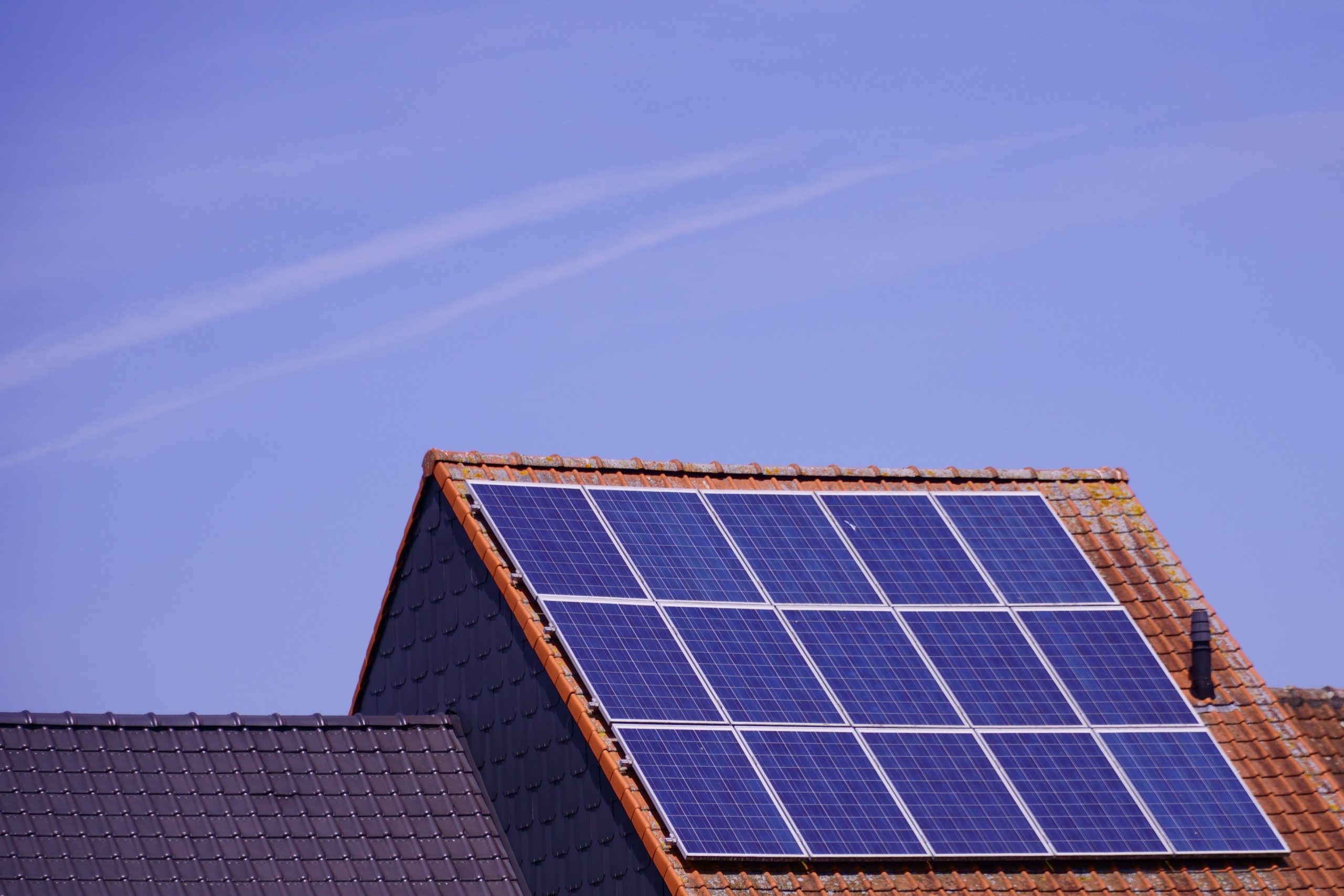
Solar panels generate electricity during daylight hours, which for most households does not line up neatly with when they would otherwise use it. A typical home uses relatively little electricity during the day and considerably more in the evening. An EV parked on the drive during the day is a natural way to soak up that surplus generation instead of exporting it to the grid for a much lower rate than you pay to import.
How solar EV charging actually works
Your solar panels generate DC electricity, which your inverter converts to AC to power your home. Any surplus, once your household’s own usage is covered, either gets exported to the grid, or, with the right charger, diverted to your EV instead.
Solar diversion chargers use a CT clamp fitted at your consumer unit, which monitors how much electricity your home is generating versus using in real time. When there is a genuine surplus, the charger draws from it. When there isn’t, it can either pause, top up gently from the grid, or charge at full speed depending on the mode you have selected.
Zappi’s eco-modes explained
Zappi, made by British company myenergi, has the most sophisticated solar diversion system of the chargers we install:
- Eco+ mode: charges exclusively from surplus solar generation. If there isn’t enough surplus, charging pauses rather than drawing from the grid. This is the purest way to guarantee free charging, though it means charging speed varies with the weather.
- Eco mode: uses surplus solar where available, and tops up from the grid to maintain a minimum charging rate, a middle ground between cost and charging speed.
- Fast mode: charges at full speed from the grid regardless of solar generation, useful if you need a full charge quickly regardless of cost.
How much solar do you actually need?
This is one of the most common questions we get. As a rough guide, a typical 4kW residential solar system generates a meaningful surplus on sunny days, enough to add a reasonable amount of range over several hours of daytime charging. Smaller systems, around 3kW or less, still contribute usefully but you will rely more on eco mode’s grid top-up to reach a full charge in the same timeframe. Every roof and household usage pattern is different, so we are happy to talk through what is realistic for your specific setup during a quote.
Best chargers for solar integration
- Zappi: the clear leader for solar integration. Its eco-modes are purpose-built for solar diversion and it is the charger we recommend most often to solar panel owners.
- Hypervolt Home 3.0: a strong British-made alternative, using CT clamp monitoring to prioritise solar surplus, though its control logic isn’t quite as refined as Zappi’s dedicated eco-modes. A sensible choice if you want solar-aware charging without committing to the myenergi ecosystem.
- Easee One: can be scheduled to align with typical solar generation hours, but does not offer real-time solar diversion in the way Zappi and Hypervolt do.
- Ohme Home Pro: solar scheduling is basic by comparison, its real strength is smart tariff optimisation rather than solar diversion specifically.
Battery storage and EV charging
If you have, or are considering, home battery storage alongside solar, this adds another layer of flexibility. Rather than exporting surplus solar to the grid or diverting it directly to your car, a battery can store it for use later, including overnight EV charging if that suits your routine better. This is a growing area and one worth discussing at the quote stage if it is relevant to your setup.
Installation considerations
- Inverter compatibility: we confirm your existing inverter works correctly alongside the charger’s CT clamp monitoring.
- CT clamp positioning: the clamp needs to be fitted correctly at the consumer unit to accurately read generation versus consumption.
- Wiring: your existing solar installation’s wiring and metering setup is checked as part of the survey to avoid any conflicts.
A real installation example
We installed a Zappi for a homeowner in St Albans with a 4.8kW south-facing solar PV system. During summer months, they now charge almost entirely in eco+ mode during daylight hours, using surplus solar generation at no additional cost. We fitted the CT clamp at the consumer unit, ran a cable under the driveway to the garage wall, and set the app up to switch to their Octopus Go tariff overnight during the winter months when solar generation drops off. The whole installation took under four hours.
Frequently Asked Questions
-
Do I need a specific type of solar inverter for this to work?
Most standard modern inverters are compatible. We check this as part of your site survey and will flag anything unusual before you commit to a quote.
-
What if I don’t have solar yet but I’m planning to add it?
Choosing a solar-ready charger like Zappi or Hypervolt now means you will not need to upgrade your charger when you do add panels, worth mentioning at the quote stage if this applies to you.
-
How much can I realistically save?
This depends heavily on your system size, roof orientation, and driving pattern, so we would rather give you an honest, specific estimate during a quote than a generic figure that may not reflect your situation.
-
Which charger do you recommend most for solar owners?
Zappi, for the vast majority of solar panel owners. Its eco-mode system is the most mature solar diversion implementation of the chargers we install.
Ready to Get Your Free EV Charger Installation Quote?
Call us on 07736 736233 or fill in our EV charger quote form for a free, no-obligation assessment. We cover Watford, St Albans, Hemel Hempstead, Bushey, Rickmansworth, and throughout Hertfordshire. We will advise honestly on the right charger for your home, handle the grant application if you are eligible, and take care of everything from installation through to final certification.