
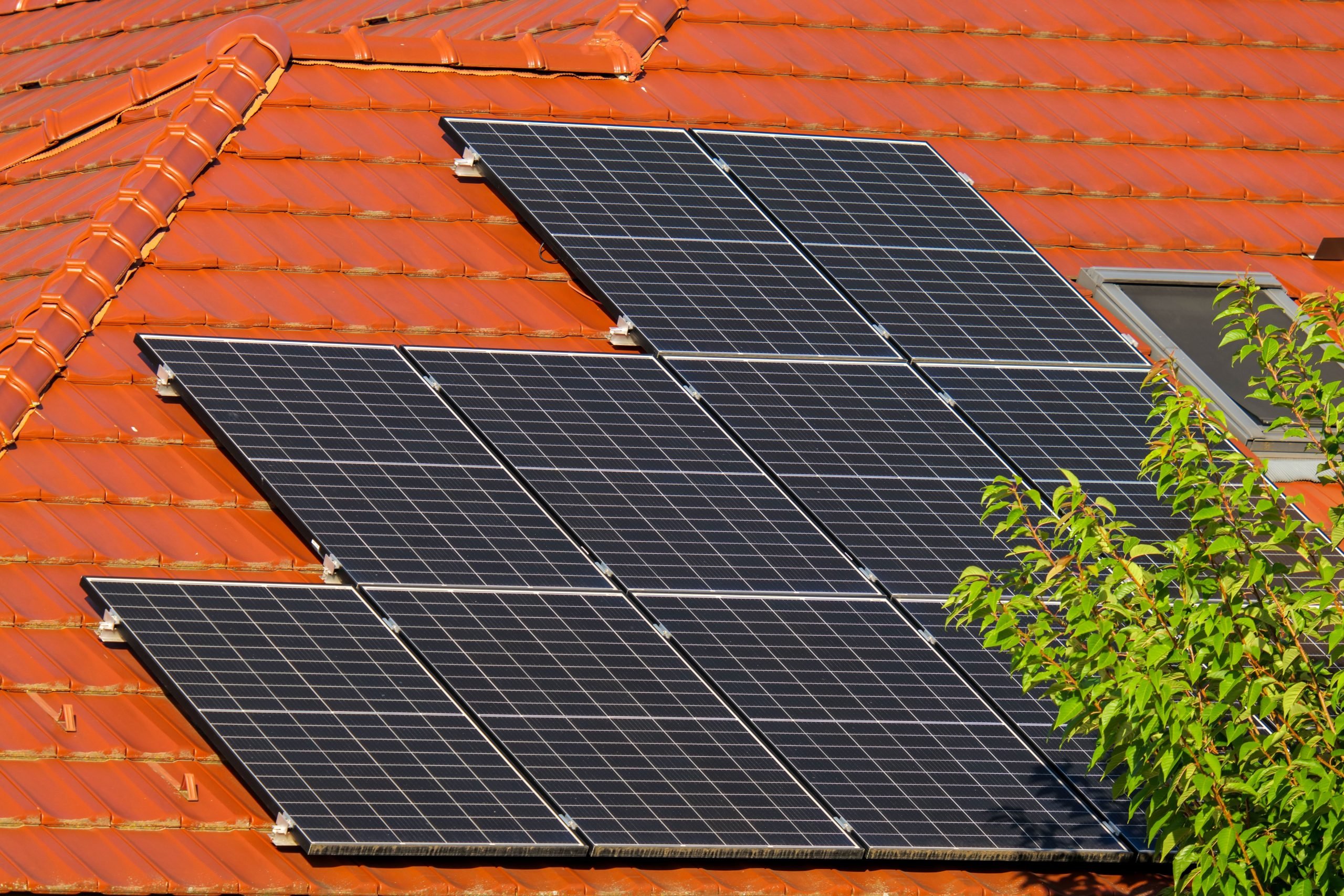
If you generate your own electricity, pairing your solar panels with the right EV charger is one of the most effective ways to cut your running costs to almost nothing during summer months. Not every charger handles this well, though, so here’s how solar EV charging actually works and which chargers are genuinely worth considering.
How solar EV charging actually works
Your solar panels generate DC electricity, which an inverter converts to AC for use in your home. Any surplus, generation beyond what your home is currently using, either gets exported to the grid (for a small payment) or can be diverted to charge your EV instead. A solar-aware charger uses a CT clamp to monitor generation and household consumption simultaneously, then automatically routes surplus power to your car rather than the grid.
Solar diversion vs simple scheduling
This is the distinction that actually matters. Simple scheduling just charges your car during daylight hours on a timer, it doesn’t know how much solar you’re actually generating at that moment, so on a cloudy day it will happily pull expensive grid electricity. True solar diversion monitors generation in real time and only uses surplus power, topping up from the grid only if you’ve set a minimum charge requirement. The difference in genuine savings between these two approaches is substantial.
Best chargers for solar integration
1. Zappi (myenergi) — the gold standard
Zappi remains the most sophisticated solar-integrated charger available. Its eco+ mode charges exclusively from surplus solar, waiting for enough free generation before starting a session, while eco mode tops up from the grid to maintain a minimum charge rate. For homeowners with 4kW+ solar systems wanting to maximise free charging, Zappi is our default recommendation.
2. Hypervolt Home 3.0 — strong British-made alternative
Hypervolt offers genuine solar-aware charging with dynamic load balancing built in, at a competitive price point. It doesn’t quite match Zappi’s dedicated eco-mode sophistication, but for smaller systems (3kW or less) or homeowners wanting a British-made unit with a 5-year warranty, it’s a strong choice.
3. Easee One — workable via load balancing
Easee can be scheduled to align with typical solar generation hours, but doesn’t offer true real-time diversion. If solar is a secondary consideration and multi-EV load balancing is your priority, Easee still makes sense; if solar is your main goal, Zappi or Hypervolt will serve you better.
Ohme — not the strongest fit for solar
Ohme’s strength is smart tariff optimisation, particularly with Intelligent Octopus, rather than solar diversion. Its solar support is basic scheduling only. If you have solar panels, we’d steer you toward Zappi or Hypervolt first.
Sizing: do you have enough solar for meaningful EV charging?
As a rough guide, a typical 4kW solar system on a south-facing roof generates enough surplus on a good summer day to add a meaningful chunk of range for free, though it won’t fully charge a large battery from empty. Smaller systems still help, just proportionally less. The real value comes from consistent partial free charging across the sunniest months rather than expecting entirely free year-round charging.
Considering a home battery too?
Battery storage lets you bank daytime surplus solar and use it to charge your car overnight instead of exporting it or losing it when your car isn’t home. It’s a growing trend among Hertfordshire homeowners already invested in solar, and something worth discussing at your site survey if you’re considering both together.
Planning solar for the future?
If you don’t have solar yet but think you might add it within the next few years, choosing a solar-ready charger now (Zappi or Hypervolt) means you won’t need to replace the unit later. It costs little extra to future-proof your installation this way.
Frequently Asked Questions
-
Can any EV charger work with solar panels?
Any charger can be manually scheduled to run during daylight hours, but only chargers with genuine solar diversion (Zappi, and to a lesser extent Hypervolt) actively monitor and use only your surplus generation in real time.
-
Will I need any extra equipment for solar diversion to work?
Yes, a CT clamp fitted at your consumer unit, which monitors household generation and consumption. This is included as standard in a Zappi or Hypervolt installation.
-
How much can I actually save charging from solar?
It depends heavily on your system size, roof orientation, and driving patterns, so we avoid quoting a specific figure without knowing your setup. What we can say is that consistent partial free charging through spring and summer adds up meaningfully over a year.
-
Does a solar-diverting charger still qualify for the government grant?
Yes. Zappi and Hypervolt both meet the smart charger criteria for the current EV chargepoint grant, regardless of whether you use the solar features.
Ready to Combine Solar and EV Charging?
Call us on 07736 736233 or fill in our EV charger quote form for a free, no-obligation assessment. We cover Watford, St Albans, Hemel Hempstead, Bushey, Rickmansworth, and throughout Hertfordshire. We will advise honestly on the right solar-ready charger for your home.